

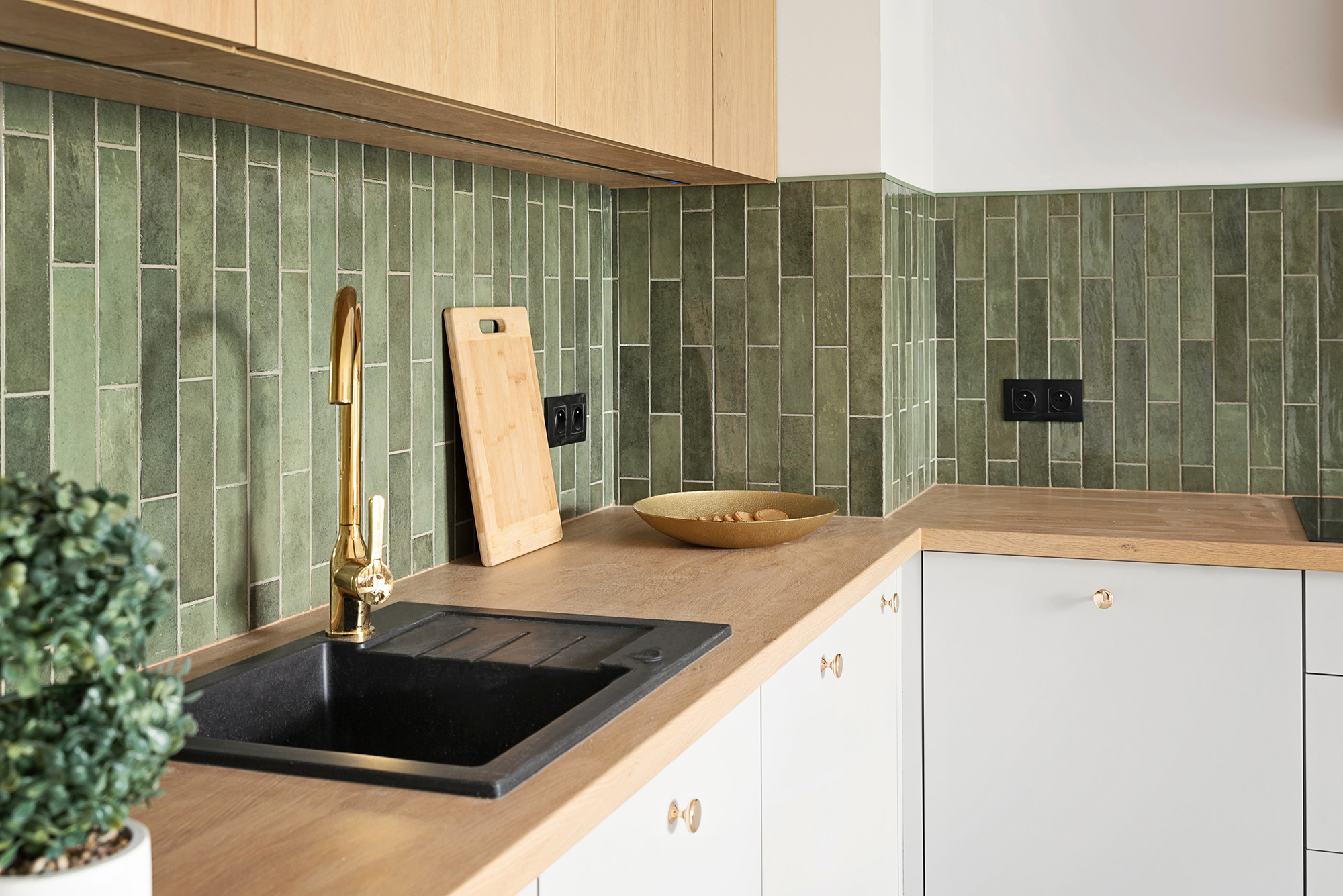
If you've spent any time browsing kitchen trends lately, you've probably come across the workstation sink: a deep, single-basin sink built with integrated ledges that hold cutting boards, colanders, drying racks, and other accessories right over the basin itself. It's one of the more practical upgrades homeowners are asking about right now, and it's worth understanding what it actually changes about how a kitchen works before deciding if it's right for yours.
What Makes a Sink a "Workstation" Sink
The defining feature is the built-in ledge system, usually a set of grooves or rails molded into the rim of the sink that accessories can slide along. That turns the sink from a single-purpose fixture into a multi-level prep zone. A cutting board can sit above a colander, which sits above the basin, letting you chop, rinse, and drain in the same footprint instead of shuffling between the sink and the counter.
Most workstation sinks are deep, single-bowl designs, which is part of what makes the accessory system work. The added depth also means fewer splashes and more room for oversized pots and sheet pans.
The Case for a Workstation Sink
For households that cook often, the main benefit is workflow. Prep, rinse, and cleanup happen in roughly the same spot, which can be a real improvement if your current layout has you crossing the kitchen between the cutting board and the sink. It also helps keep counters clearer during meal prep, since the ledge accessories are doing some of the work a second cutting board or extra counter space would otherwise handle.
It's a feature that tends to matter most around an island or a primary sink station that sees heavy daily use, rather than a secondary prep or bar sink.
Honest Tradeoffs to Consider
A workstation sink isn't automatically the right call for every kitchen, and it's worth being clear-eyed about a few things. The accessories add cost on top of the sink itself, and not every household will use the full ledge system regularly enough to justify it. The deep single basin also means less flexibility for separating wash and rinse tasks the way a double-bowl sink allows, which some homeowners genuinely prefer for everyday dishwashing.
If your kitchen sees lighter use, or if you already have strong counter space on either side of the sink, a standard undermount or apron-front sink may serve you just as well without the added accessories to store and clean.
Pairing a Workstation Sink With Your Cabinetry and Countertop
Sink choice doesn't happen in isolation. An apron-front workstation sink typically requires cabinet modifications to accommodate the exposed front panel, which is a conversation worth having early in a kitchen design rather than after cabinets are already ordered. An undermount workstation sink is more flexible and pairs well with most quartz, granite, or porcelain countertop edges, since the seamless underside keeps cleanup simple.
This is really a decision about how your whole kitchen fits together, not just which sink looks best in a showroom. The cabinetry below needs to support the sink style you choose, and the countertop material affects how that sink is mounted and sealed.
A workstation sink can be a genuinely useful upgrade for the right kitchen, but it's one piece of a larger layout decision that includes your cabinets, your countertop, and how you actually use the space day to day. At Artistic Cabinetry, our in-house design team walks you through sink, cabinet, and countertop options together, so the pieces work as a system rather than a collection of separate choices.
We proudly serve Smithtown, St. James, Nesconset, Stony Brook, and East Setauket, NY, with design consultations available at Smithtown, NY. If you're planning a kitchen design update and want to talk through whether a workstation sink makes sense for your routine, contact us or stop by to see the options in person.